
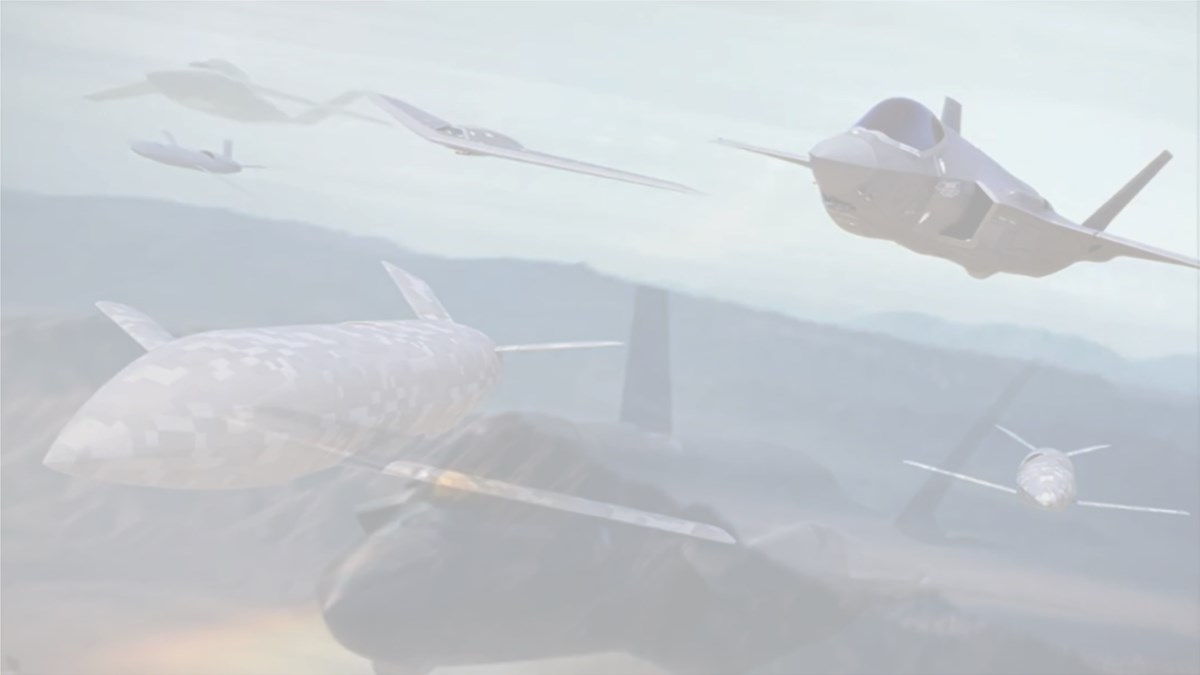
In a significant step toward next-generation warfare, the Naval Air Warfare Center Aircraft Division (NAWCAD) has successfully demonstrated the integration of the F-35 Lightning II with autonomous Collaborative Combat Aircraft (CCA) during a tactical event in its cutting-edge Joint Simulation Environment (JSE). This milestone highlights the critical role of simulation in developing the tactics for crewed and uncrewed teaming.
The demonstration featured F-35 pilots using touch-screen interfaces to command multiple virtual CCAs during complex, multi-threat missions. Leveraging simulated advanced communications and weaponry, they engaged adversaries within the JSE’s hyper-realistic digital world. This environment allows for the rapid development and testing of tactics that would be too costly, time-intensive, or risky to explore solely in live flight.
“Modern warfare is demanding more from our aviators,” said NAWCAD Commander Rear Adm. Todd Evans. “This milestone shows the Joint Simulation Environment’s impact on equipping them with the advanced tactics they need to win future battles.”
The JSE is a Department of Defense digital proving ground that replicates global threats and scenarios. By integrating actual cockpit simulators with advanced software and immersive visual displays, it enables pilots to conduct more sorties in a week than possible on physical ranges in a year, dramatically accelerating readiness and innovation.
The Navy’s CCA program aims to field multi-role unmanned systems that will operate alongside crewed fighters like the F-35, acting as force multipliers in contested environments. They are designed to handle key tasks, extending the sensor reach and weapon capacity of a mission while allowing human pilots to focus on high-level command decisions. The JSE is pivotal in refining the operational concepts for this partnership.
Looking ahead, NAWCAD plans to expand the JSE’s capability by adding simulated platforms like the E-2D Advanced Hawkeye and F/A-18 Super Hornet by fiscal year 2026. The facility is also at the center of a growing network, with new JSE sites under development at major Navy and Air Force bases to foster joint and international training collaboration.
NAWCAD, headquartered in Patuxent River, Maryland, supports the full lifecycle of naval aviation through testing, research, and development. This recent achievement underscores its vital role in ensuring that the U.S. Navy and its pilots maintain technological and tactical superiority for the future fight.
