
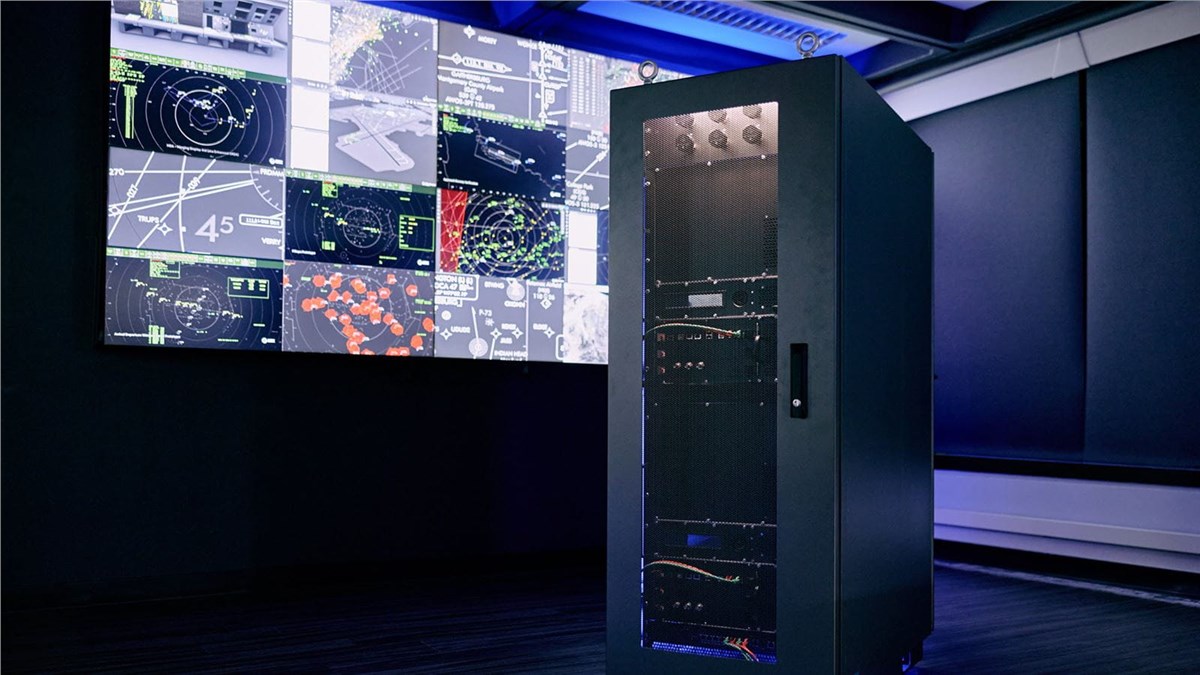
Collins Aerospace, a core subsidiary of has secured a pivotal $438 million contract from the Federal Aviation Administration (FAA) for its Radar System Replacement (RSR) program. This award is a foundational element of a broader initiative to modernize the entire U.S. National Airspace System, representing a significant leap forward from decades-old infrastructure.
The contract tasks Collins with deploying its next-generation Condor Mk3 and ASR-XM radar systems nationwide. This modern architecture replaces a complex web of aging, disparate radars with a unified and adaptable solution. The Condor Mk3 is a sophisticated cooperative surveillance radar that interrogates aircraft transponders for precise data like identity and altitude. Its counterpart, the ASR-XM, is a non-cooperative radar that detects aircraft—including those without functioning transponders—by analyzing reflected radio signals, ensuring comprehensive surveillance coverage.
The strategic shift to this dual-radar system delivers profound operational benefits. By consolidating multiple legacy systems into a streamlined, interoperable framework, the FAA will significantly simplify maintenance, training, and daily operations. This move directly enhances the safety and efficiency of the national airspace by providing air traffic controllers with more reliable, secure, and accurate aircraft tracking, particularly at critical lower altitudes during takeoff and landing.
“This award builds on a 70-year partnership with the FAA,” said Nate Boelkins, President of Avionics at Collins Aerospace. “We are positioned to rapidly deploy these advanced radars, which are designed for seamless integration with existing infrastructure. This modernization reduces long-term sustainment costs while future-proofing the airspace for evolving demands, from increased traffic volumes to the integration of new users like drones.”
Collins is not introducing unproven technology. Both radar models are already FAA-qualified through rigorous test-site certifications, and more than 550 RTX radar systems are actively operational within the current airspace. This extensive field experience provides a proven foundation for a successful, large-scale modernization effort, ensuring a smooth transition to a more resilient and capable National Airspace System for decades to come.
