
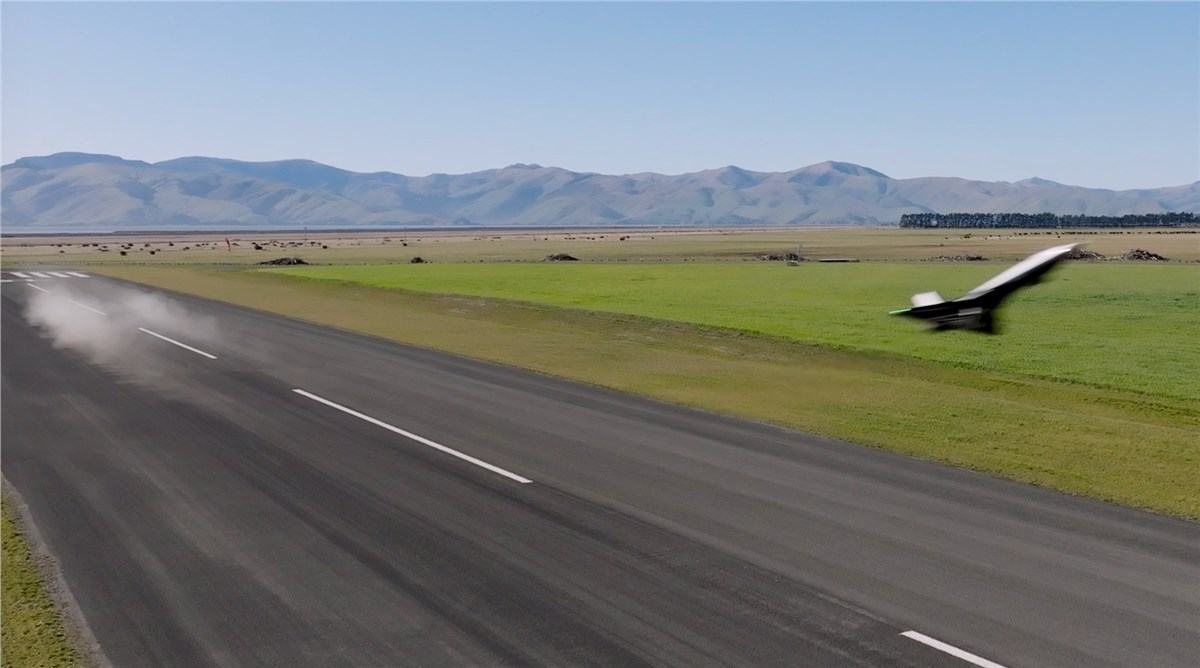
The Aurora program entered a new era with Flight 48. After 47 flights honing its systems under jet power, the vehicle transformed into a rocket-powered, suborbital spaceplane designed to push the edge of space. What followed was a blistering 15-flight campaign from 2023 to 2025, a testament to rapid development and relentless innovation. These missions didn’t just break world records for altitude and speed in its class; they redefined the pace of aerospace testing.
This path was not without its challenges. Flight testing is a dialogue with reality, and reality spoke clearly. We encountered radio anomalies that tested our communication links, faced sensor readings that required real-time reinterpretation, and landed in crosswinds that pushed our piloting protocols to their limits. Each anomaly was a lesson, forcing our hardware and our team to adapt under pressure.
This is where the core advantage of a rapidly reusable platform became undeniable. In traditional rocket programs, a single anomaly can mean weeks or months of stand-down for investigation and repair. For Aurora, the rhythm was different. In every case, we could simply land, conduct a detailed post-flight analysis, address the root cause, and, more often than not, be back in the air within hours. A sensor issue on a Tuesday flight could be diagnosed, resolved, and verified by a follow-on flight by Thursday.
These moments were the true crucible. They did more than test titanium and avionics; they proved the robustness of the entire operational system. They validated the expertise of our flight crew and mission controllers, who learned to manage in-flight surprises with calm precision. Each rapid turnaround built profound confidence, not just in the vehicle’s design, but in our ability to operate it routinely and respond to challenges with agility.
The 15 flights from 48 to 62 were a masterclass in iterative development. We weren’t just flying a pre-defined checklist; we were evolving the vehicle and its operations in near real-time. With each takeoff and landing, we compressed years of potential learning into a span of months. This campaign demonstrated that the future of space access isn’t just about reaching altitude—it’s about building a resilient, responsive, and truly operational system that can learn and improve with every single flight. Aurora is no longer just a prototype; it is a proven pathfinder for a new era of responsive spaceflight.
